Elements and Minerals
Mined elements and minerals are the indispensable foundation of modern civilization, providing the essential raw materials for everything from the infrastructure of our cities and life-saving medical devices to the advanced semiconductors and green energy technologies required for a sustainable future.


Antimony
Antimony is a strategic metalloid primarily used as a synergist in flame retardants to improve fire safety in plastics and textiles, and as a critical alloying agent to harden lead for use in ammunition and high-performance lead-acid batteries.
Did You Know?
Antimony is often called the "industrial vitamin" because, while it is rarely used alone, adding just a small amount to other materials significantly enhances their strength, durability, and fire resistance.


Gold
Gold is a highly prized precious metal valued for its exceptional conductivity and resistance to corrosion, making it indispensable for high-end electronics and aerospace technology, while its rarity and enduring luster maintain its status as a premier material for jewelry and a stable global reserve asset.
Did You Know?
Because gold is virtually indestructible and chemically "noble" (meaning it doesn't react with oxygen), nearly all the gold ever mined throughout human history is still in existence today in some form.

Silver
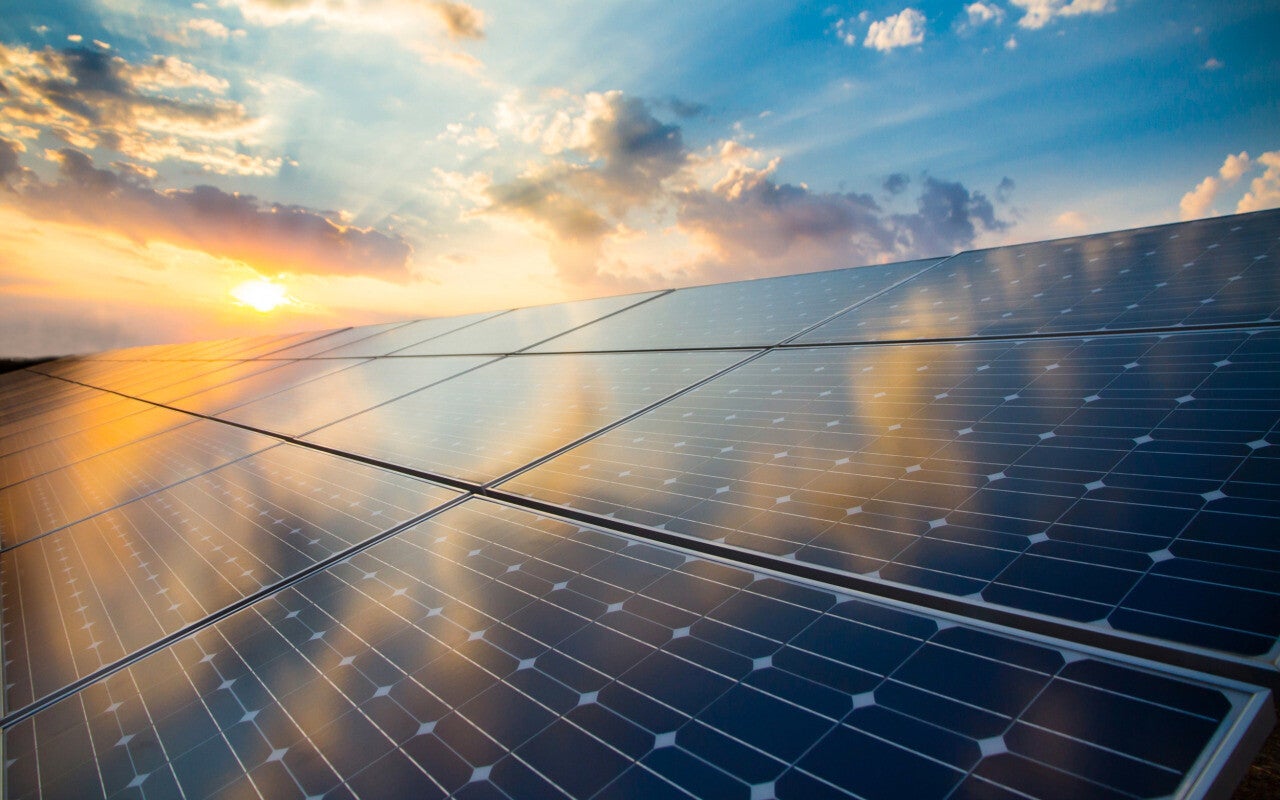
Silver is a versatile precious metal renowned for having the highest electrical and thermal conductivity of all elements, making it essential for high-performance electronics and solar energy technology, while its powerful natural antimicrobial properties and brilliant reflectivity drive its widespread use in medicine, specialized mirrors, and fine jewelry.
Did You Know?
Silver is so essential to modern "green" transitions that a single solar panel can contain up to 20 grams of silver, and the global push for renewable energy has made the solar industry one of the largest consumers of the metal today.


Neodymium
Neodymium is a powerful rare-earth metal primarily used to create the world's strongest permanent magnets, which are essential for miniaturizing high-tech electronics like smartphones and headphones, as well as driving the high-efficiency motors found in electric vehicles and wind turbines.
Did You Know?
The magnets in your wireless earbuds and smartphone speakers are so powerful because of neodymium that if two large neodymium magnets were to snap together unexpectedly, they could do so with enough force to shatter themselves or even break a person's bones.


Gallium
Gallium is a critical "tech metal" with a low melting point that is indispensable for high-speed semiconductors and LEDs, enabling the ultra-efficient power electronics and 5G telecommunications equipment that defines modern wireless technology.
Did You Know?
Gallium is famous for being a metal that will literally melt in your hand, but it is also a "chemical prankster": if you rub a small amount of liquid gallium onto an aluminum object, like a soda can or a ladder, it infiltrates the metal's structure and makes it as brittle and fragile as a wet cracker.


Iron
Iron is the backbone of global development, serving as the primary ingredient in steel for the massive infrastructure of our cities and transportation networks while also playing a vital role in biology as the core component of hemoglobin, which carries oxygen through our blood.
Did You Know?
Iron is the most abundant element on Earth by mass, making up about 35% of the entire planet; However, most of it is locked away in Earth's inner core, where it stays molten or solid under intense pressure, creating the magnetic field that protects our atmosphere from solar radiation.